Embracing Sustainability with Green Roofs in Australia
Unlocking the Potential of Green Roofs
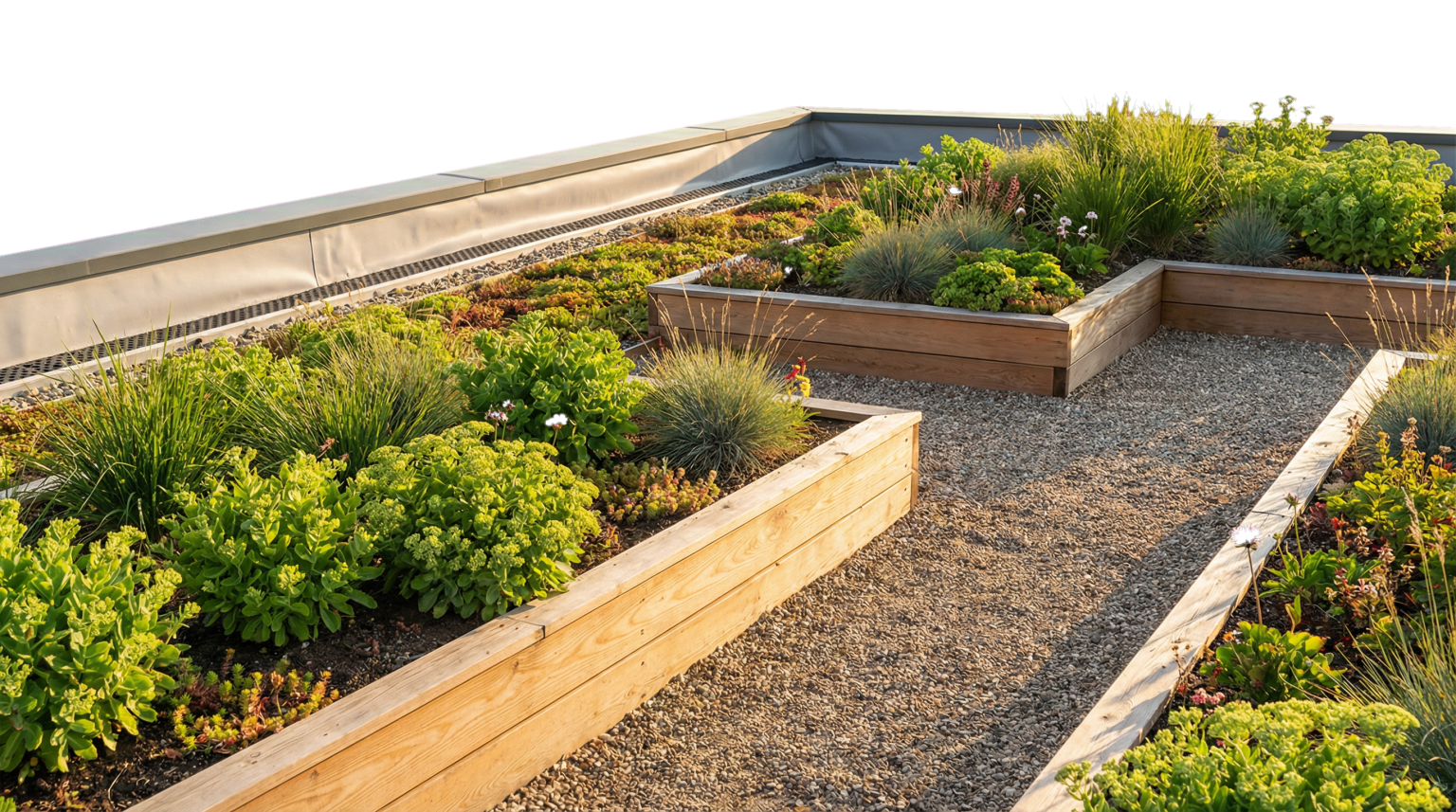
The flora on our green roofs doesn’t just add to the visual appeal; it actively filters and purifies the air, removing pollutants and supplying fresh oxygen to enhance the overall air quality.
By absorbing sunlight, the green roof system reduces heat, creating a cooler and more comfortable environment. This natural insulation reduces energy consumption for air conditioning, contributing to energy efficiency.
By creating habitats in urban settings, our green roofs encourage the return of local fauna and flora, restoring biodiversity in the heart of the city.
A green roof not only insulates against heat but also provides additional protection to the structure of your building, extending its lifespan.
These green oases provide a much-needed refuge for urban wildlife. They are a sanctuary for birds, insects, and other urban dwellers, contributing to the urban ecosystem.
Other than their environmental benefits, green roofs transform concrete and glass structures into eye-catching landscapes, enhancing the visual aesthetics of any urban environment.
Concept to Completion:
Our Green Roof System Process
Built to Endure: Our Flexible and Robust Green Roof Systems
Maintaining Your Vertical Garden
Optimum Growing Conditions
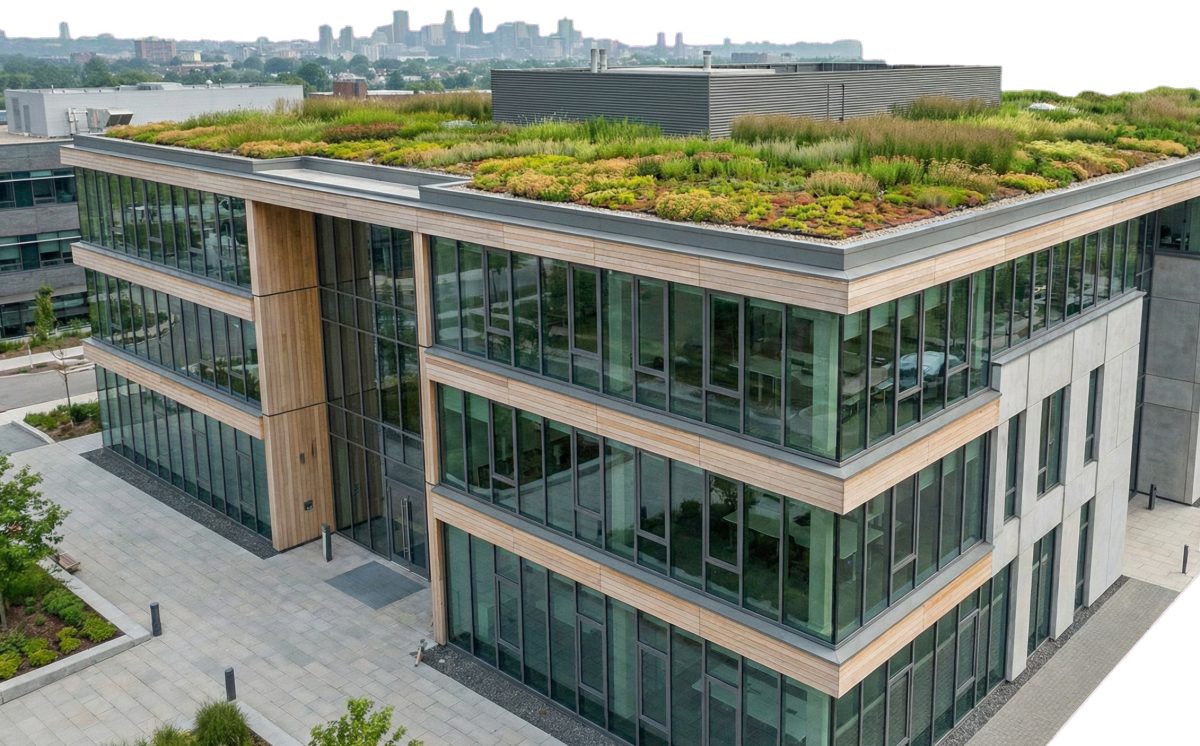
Transforming urban spaces with Green Roof Systems
Imagine if your rooftop wasn’t just a blank canvas of concrete, but a thriving green oasis?! Here at Vertical Gardens Australia, our Green Roof Systems will help you turn this vision into reality. These innovative solutions transform rooftops into functional and beautiful green spaces, offering a multitude of benefits for both your property and the environment… Rooftop gardens are no longer just a trend for high-end buildings. They are becoming an increasingly popular option for homes and businesses in Australia, offering a practical and aesthetically stunning addition to any property!
We are a leading provider of Green Roof Systems in Australia. We offer a comprehensive range of services, from initial consultation and structural assessment, to design, installation, and ongoing maintenance. Our team of experts can help you transform your rooftop into a beautiful and functional green space, adding value to your property and contributing to a more sustainable future… Contact us today for a free consultation and let’s discuss how we can help bring your rooftop garden vision to life!
Caring for your new garden; what we do
Water
Water is supplied at the top row of pots which is gravity fed down and can be supplied by a drip irrigation or hand watering.
Range
We have a select range of recommended plants for both indoor and outdoor use. However, we don’t stock or supply vegetables and herbs.
Soil
The sole source of nutrition for the plants comes from the nutrient solution in the soil.
Your Guide to Green Roofs Systems
Frequently Asked Questions
A green roof provides several benefits, including improved air quality, reduced urban heat effect, and increased biodiversity. In addition, it offers aesthetic appeal and potential for local food production.
Yes, buildings need to have enough structural support to bear the additional weight of a green roof, which includes soil, plants, and retained water. It’s highly advisable to consult a structural engineer before planning a green roof.
The frequency of maintenance visits depends on the type of green roof installed and the time of year. Generally, most green roofs require at least semi-annual visits to ensure they remain healthy and vibrant.
Yes, we build green roofs for various property types, including residential homes. However, the feasibility of a green roof depends on the structural ability of the building and local planning regulations.
Green roofs are an essential component of sustainable urban planning. They provide environmental, economic, and social benefits, including energy conservation, stormwater management, the creation of habitats, and improved air quality.
When choosing a green roof system, you should consider factors such as your building’s structural capacity, local climate, desired plant types, maintenance requirements, and budget.
You need to ensure that your building can support the extra weight, provide adequate water and nutrients for the plants, ensure proper waterproofing, and adhere to local regulations.
There are three main types of green roof systems:
- Extensive (low-maintenance, shallow soil, suitable for small plants)
- Semi-intensive (medium maintenance, medium depth soil, can accommodate larger plants)
- Intensive (high-maintenance, deep soil, can support trees and shrubs).
The cost of implementing a green roof system varies widely depending on factors such as the type of green roof, the size of the area, the structural requirements of the building, the choice of plants, and the level of access to the roof.
Green Roofs offer a multitude of benefits for cities, including:
- Reduced urban heat island effect: Vegetation helps to cool the surrounding environment, mitigating the ‘urban heat island effect’.
- Improved air quality: Green Roofs filter out pollutants and release fresh oxygen, thus contributing to cleaner air in urban areas.
- Stormwater management: They absorb rainwater, reducing runoff and pressure on drainage systems.
- Habitat creation: Rooftop gardens provide a haven for wildlife, ultimately promoting biodiversity in urban settings.
Planning a Green Roof involves several key steps:
- Structural assessment: First you must double-check that your roof can support the additional weight of a Green Roof System.
- Design consultation: Here at Vertical Gardens Australia, we can help design a rooftop garden that suits your specific needs and space constraints.
- Plant selection: Choose plants that are drought-tolerant and thrive in the Australian climate and sun exposure conditions.
- Installation: Our qualified installation team will install the Green Roof System efficiently and establish proper drainage and irrigation.
Green Roof Systems come packed with benefits that extend far beyond visual appeal:
- Reduced energy costs: A layer of vegetation on your roof acts as a natural insulator, helping to regulate building temperature and reducing energy consumption for heating and cooling.
- Improved stormwater management: Green Roofs absorb rainwater, reducing stormwater runoff and lessening the burden on drainage systems. This can also help conserve water resources.
- Enhanced air quality: Plants naturally filter pollutants from the air, again, contributing to cleaner air in urban environments.
- Increased biodiversity: Rooftop gardens provide a habitat for pollinators like bees and butterflies, thus promoting biodiversity within the city.
- Noise reduction: The vegetation on a Green Roof acts as a sound barrier, helping to dampen noise pollution from traffic and other urban sounds.
- Extended roof lifespan: The protective layer of soil and plants shields your roof from harsh weather elements, extending its lifespan and reducing maintenance costs.
- Aesthetics and wellbeing: A rooftop garden creates a calming and visually appealing green space, improving the overall aesthetic of your property and potentially enhancing occupant wellbeing.