Blog
The Future of Farming: Vertical Gardens in Urban Agriculture
May
Today, we’ll take a look at the growing practice of vertical farming in Australia and how this relatively new agricultural practice could change the future of farming.
As countries develop, there is a natural migration from the countryside to the city. Large swathes of the rural population move into urban areas to improve their employment prospects, and this migration causes cities to expand. The resulting concrete jungles present a number of key environmental and logistical challenges that experts are now beginning to realise can be mitigated through the introduction of vertical farming techniques and technologies. Continue reading below to find out what vertical agriculture farming is, the advantages and economic benefits it offers, and the leading role it could play in urban agriculture’s future.
What is vertical farming?
A clear definition of vertical farming is a good place to start our discussion, just to make sure that everyone’s up to speed:
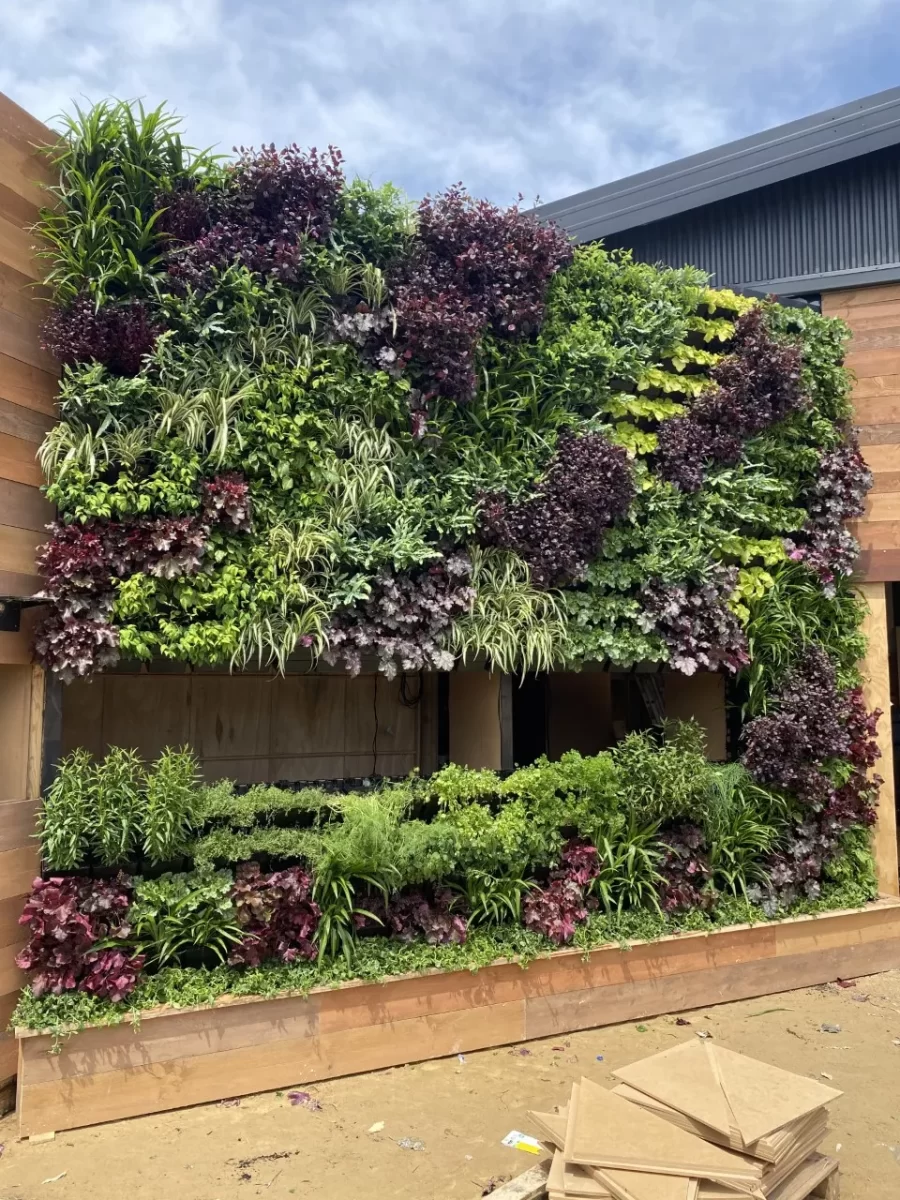
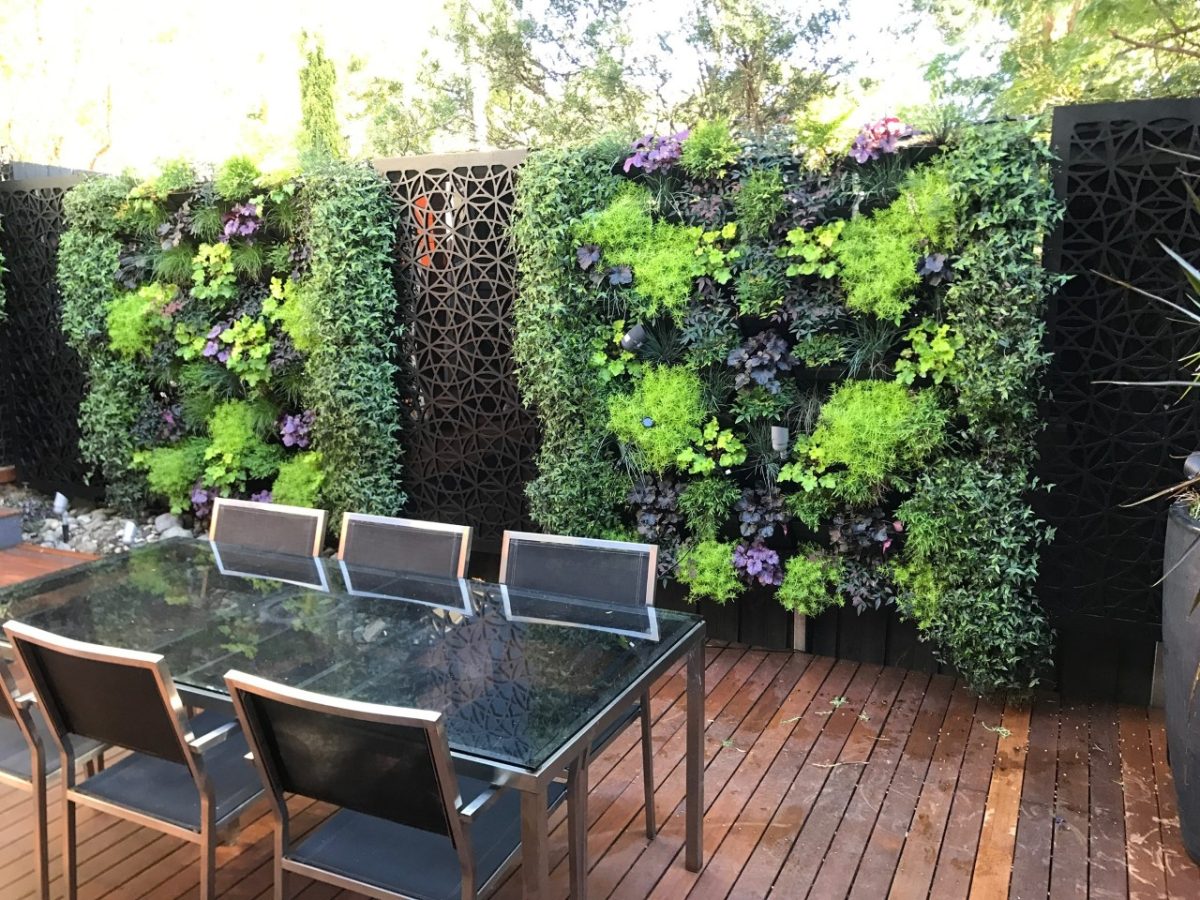
Vertical farming is the growing of crops in multiple horizontal tiers or shelves. Where previously a single row of lettuce may have been grown, vertical farming allows gardeners to grow multiple rows, stacked one on top of another. In a very small way, domestic gardeners across the world have employed vertical agriculture farming techniques for centuries in their greenhouses and potting sheds. However, modern vertical farming experts have taken the concept to a whole new level, creating towering walls of vegetables and herbs that leverage the true power of this gardening method.
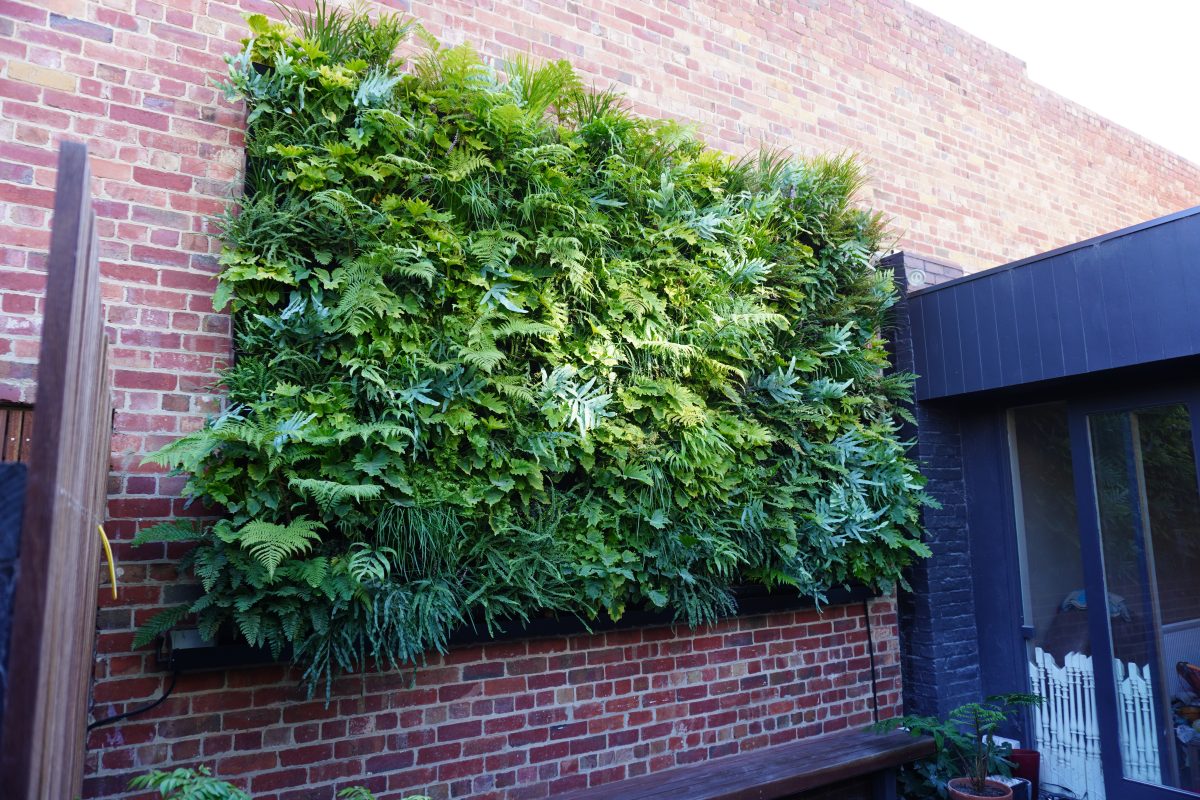
Many vertical farming installations feature controlled environment agriculture (CEA) systems such as aeroponics, hydroponics and aquaponics at their heart. However, some vertical agriculture farming specialists are starting to focus more on creating vertical vegetable and herb gardens that employ conventional gardening techniques in outdoor environments. At Vertical Gardens Australia, we have many years of experience designing and installing such gardens for domestic and commercial customers and currently offer a full range of vertical farming and vertical gardening services. We are passionate about vertical gardening in all types of locations and enjoy supporting commercial and domestic vertical gardeners.


Advantages of vertical farming
Vertical agriculture farming techniques offer valuable advantages to growers and consumers alike. Among the most important advantages, in our opinion, are the following:
- Smaller Physical Footprint
Due to the nature of vertical farming (horizontal growing layers stacked one on top of another), it’s considerably more efficient than conventional market gardening in terms of space utilisation. This is a major advantage in any environment where space is at a premium. - Kinder to the Environment
Vertical agriculture farming techniques often use less water and energy than conventional gardening techniques. In a world where we’re continually exhorted to be as frugal with these two valuable commodities as possible, any opportunity to reduce our energy and water consumption should be grabbed with both hands. Vertical farming installations are also an important component of sustainable architectural practices in modern urban areas. - Greater Local Food Security
Modern cities buy vast quantities of fresh produce from suppliers in rural locations, a practice that leaves city dwellers particularly vulnerable to supply chain disruptions. Vertical farming in urban environments brings freshly-grown food closer to consumers, providing residents of cities with greater food security. For this reason alone, city planners should make every effort to encourage both domestic and commercial vertical agriculture farming in the conurbations for which they are responsible.
These are just a few of the advantages vertical farming offers. It also offers valuable economic and urban infrastructure benefits, as outlined below.
The economic benefits of vertical farming
The financial benefits of vertical farming form the most compelling argument for its widespread adoption, as far as many industry insiders are concerned.
Cost Efficiency
Vertical farming offers cities the ability to reduce costs related to the growing and consumption of fresh produce in three key areas:
- Land
As vertical farming utilises space far more efficiently than conventional farming, it has the potential to dramatically lower land costs in urban locations. - Transportation
Growing food much closer to where it will be consumed lowers transportation costs considerably. - Irrigation
When CEA systems are employed in Vertical Gardens, water consumption is lowered, resulting in smaller utility bills.
As vertical agriculture farming pioneers refine their techniques, even more savings could be available to vertical farmers in the future.
Job Creation
If commercial market gardening organisations can be persuaded to switch some of their production to urban vertical farms in Australia, more jobs could be created for city residents. Higher employment is a valuable economic benefit in densely populated urban areas.
All these economic benefits have played a major part in persuading local authorities in cities across Australia that vertical gardens in general, and vertical farming in particular, have a crucial role to play in the future of urban agriculture.
The role of Vertical Gardens in urban agriculture
Vertical Gardens have a leading role to play in urban agriculture in our opinion, and that of many industry insiders. When integrated into existing urban agriculture projects, impressive cost savings can be expected. New projects designed to take full advantage of vertical farming techniques have even more to offer in terms of economic and environmental benefits. For these reasons, we believe the future of urban agriculture and the future of vertical farming are inextricably linked. Our experience with Residential Living Walls and Commercial Vertical Gardens offers us a unique perspective on this topic.
Why vertical farming is the future
Vertical gardens have the potential to revolutionise urban agriculture. When market gardeners adopt vertical farming techniques on a commercial scale, both the physical and economic landscape of Australian cities could change dramatically and very much for the better. The key benefits of vertical agriculture farming align so closely with our current goals as responsible global citizens – better land utilisation, smaller carbon footprint and greener cities – the idea of a future without it seems somehow bizarre.
If you’d like to explore Vertical Garden solutions in more depth, we invite you to book a free design consultation with Vertical Gardens Australia. We can turn your vertical gardening and vertical farming dreams into reality.